What does it really mean to put place first?
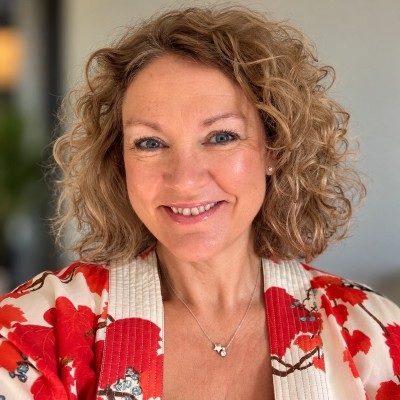
Andrea George, Co-Founder and Director, Republik of Ideas
‘Place first’. Few of us would argue with it, and most of the people I work with are already asking the right questions.
But places get funded, approved and delivered through finance and process ie on time, in budget, to a set of numbers. So that’s often how they end up being described… welcome to X, so many new homes, so much square feet of offices, so much retail, so many acres of public realm…None of that is wrong. It’s how schemes get built. But it’s a specification, not a place. It tells people what’s there. It doesn’t tell them why they’d go.
After 25 years in retail, leisure, regeneration and placemaking, that’s the question I keep coming back to – why would people choose this place?
Residents, businesses and investors will each have their own reasons. But those reasons have to come from the place itself, from its character, its people, what already works and what needs to change.
That doesn’t mean pretending there are no constraints. No site is a blank page. The allocation is set, the viability model has to work, and the funding comes with criteria. I’ve sat on the developer’s side of the table long enough to know those are fairly inflexible! But within them, so much is still open – what happens at ground floor, where the public space goes and who it’s for, and how the place feels on a wet Tuesday evening, not just on opening day. That’s where a specification becomes a place.
For me, putting place first means connecting early with residents, businesses, community groups, the council and anyone with a stake in what happens next. People can always tell the difference between being asked to shape something and being asked to approve it.
Listening isn’t enough on its own, though. A place also needs a profile. Plenty of sites carry a reputation no masterplan will shift the forgotten, unsafe, not for people like us. That has to be tackled deliberately, and early.
That means working in person and online, equally. Social campaigns and digital storytelling reach people who will never come to a meeting and give supporters something to share. Events, meanwhile uses and activity on the ground give the story substance.
Meanwhile uses matter more than they get credit for. The bigger proposition takes years, with planning, funding and construction all moving at their own pace, and a place can’t go quiet while that happens. Opening up empty sites and units to local businesses, makers and community groups lets people use the place and be part of its change now.
When the in-person and digital work support each other, you get more than awareness. People start to feel part of what the place is becoming. That’s a movement, and it’s much harder to start one after opening than before.
None of this is a soft extra. It derisks the scheme. It sets the tone before a single unit is let. It gives occupiers and investors momentum to see, not just drawings. It helps with planning, because people who feel involved are more likely to back change. And the first businesses to open arrive to an audience that’s already there.
So why does it so often get cut? Because it falls between budgets. It’s too early for marketing, and it isn’t planning or construction. If we want it funded, we have to make the case in the language the numbers are made in – risk, letting, planning and time.
I’d add two cautions. First, the story can’t run ahead of the place. A movement creates expectations, and if the scheme doesn’t meet them, the confidence you built turns into cynicism. Second, measure where you start. Capture how people see the place at the beginning, not just footfall, or you’ll never be able to show what’s changed.
Then there’s what happens after opening. Opening day is when a lot of project teams move on, and it’s when momentum is most at risk. It doesn’t have to be. The relationships, channels and community built during development are the foundations for stewardship. That’s why whoever will run the place, whether that’s the BID, the town centre team or the estate managers, should be part of it from the start rather than handed it at completion.
In the end, square footage is how a scheme gets judged. It isn’t how a place does. So the question I’d ask of any place-first initiative is simple:
Can the people who live, work and spend time there tell us what has changed for them?
Andrea George is Co-Founder and Director of Republik of Ideas, a Surveyor and a Fellow of the Institute of Place Management.