
Music and Place: A New Priority for Research and Policy at the Institute of Place Management
At the Institute of Place Management (IPM), we have long recognised that successful places are shaped not only by their physical infrastructure, economic activity, and inspirational leadership, but also by their cultural ecosystems. As cities and towns across the UK seek new ways to foster inclusive growth, strengthen local identity and create vibrant communities, music is emerging as an increasingly important lens through which to understand and revitalise place.
Music is not just entertainment. Academic research has shown that music contributes to place identity, belonging, creativity and local distinctiveness (Connell & Gibson, 2003). More recent work on music cities and music ecosystems highlights the role of music in economic development, cultural policy, urban regeneration and civic leadership (Ballico & Watson, 2020). From grassroots venues and festivals to community music initiatives and major cultural institutions, music helps shape how places are experienced, imagined and remembered, all while adding to places’ socio-economic fabric.
For the IPM, this creates a significant opportunity to develop Music and Place as a priority area for research, engagement and policy development.
Building on Strong Foundations
This agenda builds on a rich tradition of research within the Institute. For many years, colleagues such as Professor Steve Millington have explored everyday urban culture, high streets and spaces of vernacular creativity, demonstrating the importance of cultural participation in shaping vibrant places. The Music and Place theme extends these conversations by examining how music contributes to cultural ecosystems, community identity, visitor economies, place leadership and urban change.
The theme also complements activity taking place across Manchester Metropolitan University. We are delighted to be strengthening links with the Greater Manchester Music Commission and working closely with colleagues at SODA (School of Digital Arts), including Professor Kirsty Fairclough, whose work has highlighted the cultural significance of music, popular culture and creative industries.
The agenda draws on the expertise of Dr Jenny Kanellopoulou, whose research explores the intersections of music, grassroots creativity, cultural ecosystems, law, regulation and place. This work also aligns with the recently established Knowledge Platform on Sport and Creative Cultures at Manchester Metropolitan University Law School and benefits from wider industry engagement through the International Association of Entertainment Lawyers (IAEL).
Learning from Practice
Developing a meaningful Music and Place agenda requires dialogue between researchers, policymakers, artists and industry professionals.
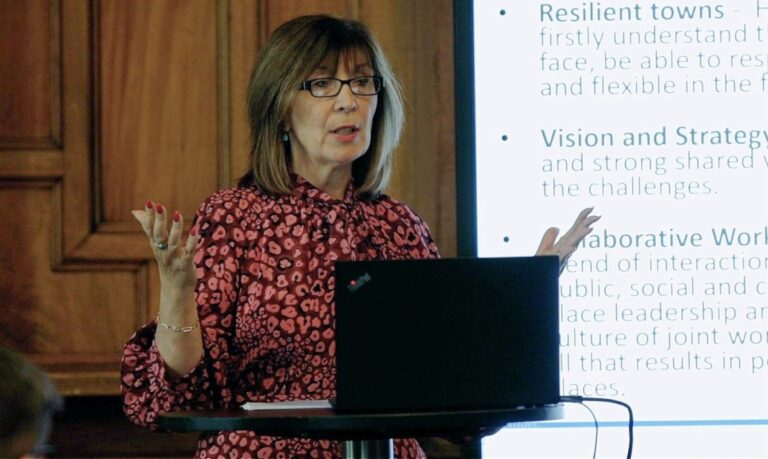
We are therefore particularly pleased to be working with Diane Lawrence (City of London Corporation and Piece Hall Trustee), distinguished IPM alumna and FIPM. Diane has consistently championed the role of music in driving social, cultural and economic value.
Diane says: “Music has a unique ability to bring a place to life. It creates shared experiences, strengthens identity and belonging, and makes a real contribution to the social, cultural and economic vitality of our towns and cities presenting opportunities to connect communities, creativity and business. For those of us working in place-making, music is not simply entertainment; it is an important part of the cultural infrastructure that makes places distinctive, welcoming and worth experiencing. I am delighted to be supporting the IPM as it advances this vital agenda”
We look forward to incorporating Diane’s perspective into this growing conversation about the future role of music in place management, cultural policy and urban development.
From Manchester to International Networks
Manchester provides a particularly compelling context for this agenda. As the city continues to attract international attention for its cultural, sporting and innovation strengths, music remains one of Manchester’s defining assets. Quite simply, music is part of the city’s heartbeat, since the days of the iconic Hacienda.
Over the summer, members of the team including Professor Kirsty Fairclough and Dr Susan O’ Shea attended the Music Cities Convention in Hull, engaging with researchers, practitioners and policymakers working at the forefront of music-city development. We would like to extend our thanks to Sound Diplomacy for hosting such an important gathering and for continuing to lead international conversations around music ecosystems, cultural infrastructure and the future of music cities.
Building on these discussions, Jenny Kanellopoulou will also participate in the Amsterdam Dance Event (ADE), one of the world’s leading forums for discussions around music, nightlife, cultural policy and creative industries. These engagements help ensure that our work is informed by both local experience and international best practice.
Music, Nightlife and Cultural Ecosystems
The Music and Place agenda is also reflected in a growing programme of events and public engagement activities.
Dancing Through the Crisis, taking place on 5 November at Hidden nightclub in Manchester. The event brings together perspectives from cultural economy, geography, law, regulation and urban studies to explore the changing role of music, nightlife and grassroots cultural spaces, amidst redevelopment and regeneration plans: https://www.eventbrite.com/e/dancing-through-crisis-club-culture-community-urban-life-tickets-2001339690890?aff=ebdssbdestsearch
This free event, funded by the ESRC Festival of Social Science, reflects a growing recognition that music venues, nightlife spaces and creative communities constitute important forms of cultural infrastructure, supporting belonging, creativity and local resilience.
Why Music Matters for Place Management
The academic case for Music and Place is strong. Popular Music, Identity and Place argues that music and place are mutually constituted, helping to shape local identities and narratives.
For place managers, these insights raise important questions:
- How can places support sustainable music ecosystems?
- What role do grassroots venues play in local development?
- How can music contribute to community wellbeing and inclusion?
- How should local authorities respond to the challenges facing nightlife and cultural infrastructure?
- What can music teach us about place identity, participation and belonging?
These are precisely the kinds of questions that the IPM is well placed to explore.
Join the Conversation
We would be delighted to hear from IPM members, researchers, practitioners and policymakers interested in contributing to this emerging agenda.
To find out more, please contact:
Ian Harvey and Dr Jenny Kanellopoulou via ipm@mmu.ac.uk