
Beyond the Visitor Levy: What Would a Place First Approach to Tourism Look Like?

Manchester Metropolitan University’s Institute of Place Management is pleased to announce A Place First Approach to Tourism, January 21st 2027, a conference bringing together researchers, policymakers and practitioners to explore what it means to put place at the heart of tourism and destination management.
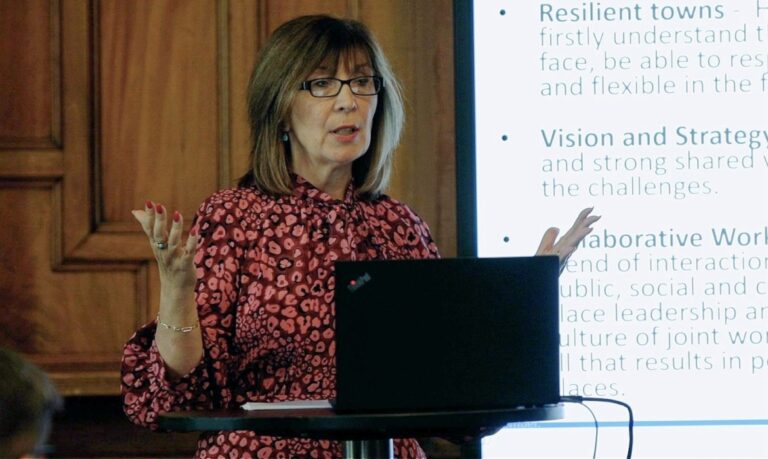
To coincide with the announcement, we are launching a series of blogs exploring Place First Tourism from different perspectives. In the first contribution, Ilze Mertena, who will also be speaking at the conference, considers the proposed Overnight Visitor Levy and asks what a genuinely place-based approach could mean for how decisions are made and how investment benefits visitors, businesses and communities.
Drawing on her recent research with independent micro and small businesses on UK high streets, Ilze argues that tourism cannot be understood in isolation from the wider places in which it happens – and poses an important question for our conference: what would tourism policy and destination management look like if we started with the place?
Beyond the Visitor Levy: What Would a Place First Approach to Tourism Look Like?
The announcement that English mayors will soon have the power to introduce an Overnight Visitor Levy has reignited a familiar tourism debate. Critics have raised legitimate concerns about additional costs, competitiveness and the possible impact on businesses and domestic holidays. Supporters, meanwhile, point to the potential to retain visitor-generated revenue locally and reinvest it in destinations. Both sides raise important points. One aspect of the proposal that I find particularly interesting is the freedom given to local leaders to decide whether to introduce a levy in their area.
Tourism is inherently connected to place, and places are different. Visitor markets, seasonality, accommodation provision, business structures and dependence on tourism vary considerably between destinations. What works in one place cannot therefore be assumed to produce the same outcomes elsewhere. In that sense, local discretion is a sensible starting point, but it also brings responsibility. Deciding whether a levy is appropriate, and at what level, requires detailed knowledge of the local visitor economy and the wider place in which it operates.
Priorities and potential impacts will differ greatly in a major city, for example, compared with a coastal resort, rural destination or historic town. Decisions need to consider not only the revenue that could be generated, but the potential effects on businesses, visitors and communities.
My recent research with independent micro and small businesses on UK high streets has reinforced the importance of looking at this wider place. One key finding was how strongly the experiences created by individual businesses are connected to their surrounding environment. Businesses can invest considerable effort in designing and delivering distinctive customer experiences, but they cannot successfully operate in isolation. Footfall, neighbouring businesses, accessibility, events, public spaces, local networks and the overall management of the high street all shape the experience.
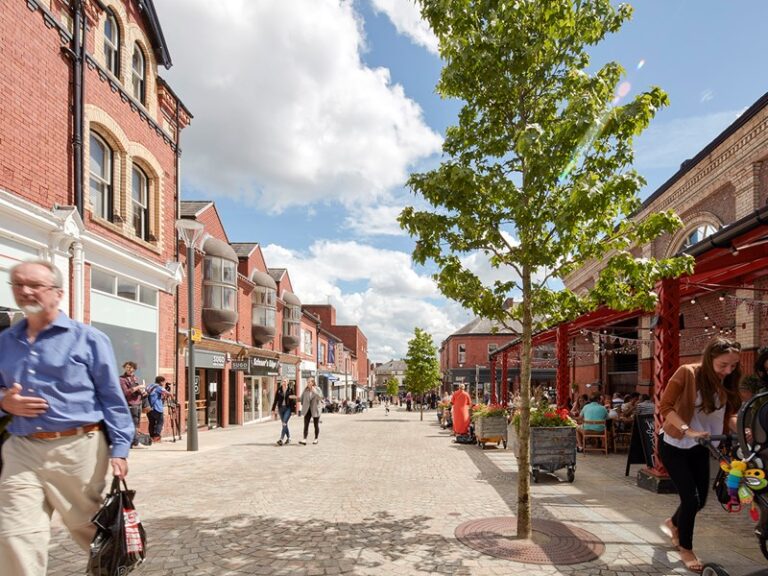
This is also where place management and tourism destination management overlap. Visitors do not experience a destination through accommodation and attractions alone. They experience its streets and public spaces, independent shops and cafés, transport, events and interactions with local people. A high street may be an everyday space for residents while simultaneously forming an important part of a tourist’s experience of a destination. From the visitor’s perspective, therefore, the boundaries between the “visitor economy” and the wider place are rarely as clear as they may appear in policy or organisational structures.
As Ian Harvey might say, this points towards what we might describe as a Place First approach to tourism: starting with the needs, assets and experiences of the place as a whole, rather than viewing tourism solely through the lens of an individual sector, organisation or profession. It means recognising the connections between the visitor economy and the wider economic, social and physical life of a place.
This matters not only when deciding whether a levy is appropriate but also when considering how any revenue raised should be used. There is a strong case for levy income representing additional investment rather than simply filling gaps in existing local-authority budgets. At the same time, investment in the visitor economy should not be interpreted too narrowly as investment in tourism marketing or tourist amenities.
Improving public spaces and accessibility, connecting attractions more effectively with high streets, supporting local events or strengthening collaboration between businesses and place management can enhance the visitor experience while also benefiting residents and local businesses. This again requires local knowledge and engagement. Accommodation providers are clearly important, but so too are the wider networks of businesses, communities and organisations that collectively shape a destination.
If local leaders are given discretion over whether to introduce a levy, that same place-based thinking should inform decisions about how the revenue is invested. Perhaps, then, the success of an Overnight Visitor Levy should not ultimately be judged by how much revenue it raises, nor should the discussion end with whether 5% is too high or too low. A more meaningful test is whether residents, visitors and local businesses can see what that contribution has achieved and whether it has genuinely made the destination a better place to visit, live and do business.
END
These are some of the questions we will be exploring at A Place First Approach to Tourism, hosted by the Manchester Metropolitan University and Institute of Place Management. The event will bring together researchers, policymakers and practitioners to explore what it means to put place at the centre of tourism and destination management, and how doing so might change the way we understand, manage and invest in visitor destinations.